DNS Hijacks Targeting Web3: How to Protect Your Crypto Investments
DNS Hijacks Targeting Web3: How to Protect Your Crypto Investments
As the Web3 space continues to grow at an incredible pace, it's attracting more than just innovators—hackers are also finding new ways to exploit this expanding ecosystem. Despite the promise of decentralization, many Web3 projects, including major exchanges, still depend on traditional Web2 components like DNS servers to host their domains. This reliance creates a critical vulnerability that cybercriminals are increasingly targeting.
In this article, we'll break down how DNS hijacking works, why it poses a significant threat to the crypto space, and the steps you can take to protect your assets. Whether you're a project developer, investor, or simply involved in the crypto space, understanding this threat is crucial to safeguarding your crypto investments.
How DNS Hijacking Works and How It Puts Your Crypto at Risk
DNS hijacking might sound like technical jargon, but it's easier to grasp when you think of a DNS server like your GPS. Normally, when you enter a destination, your GPS guides you to the right place. But imagine if a hacker tampered with your GPS, sending you to the wrong location instead. That's essentially what happens in a DNS hijack—an attacker intercepts and alters the DNS requests your browser makes, redirecting you to a malicious site instead of the one you intended to visit.
After the DNS hijack, attackers often use phishing tactics to steal users' credentials and wallet seed phrases, allowing them to access and drain the victims' funds.
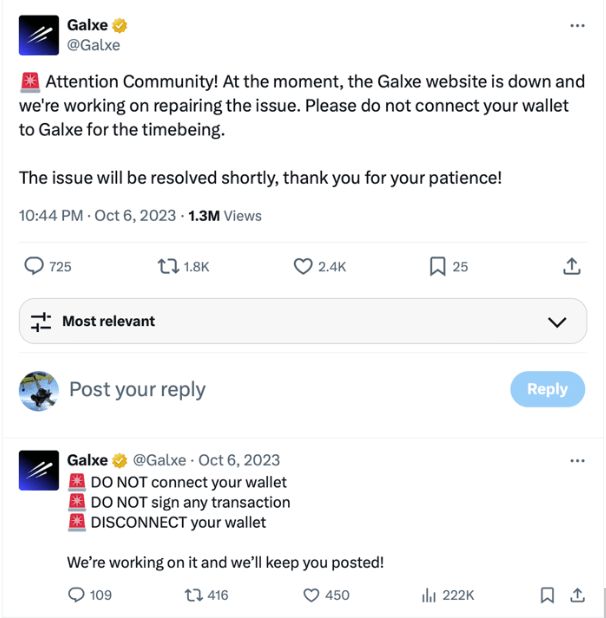
A notable instance of DNS hijacking occurred in October 2023, targeting the Web3 platform Galxe. In this attack, hackers seized control of Galxe's DNS and redirected users from the genuine website to a fraudulent one featuring malicious wallet addresses. This breach allowed the attackers to access user data and cryptocurrency wallets, resulting in significant financial losses for many. The incident underscores that even sophisticated Web3 platforms are not immune to such vulnerabilities.
How to prevent falling into victim to DNS hijacking?
In most cases, DNS hijacks target the project owner's domain rather than the end-user's device. As an end-user, this means that unless the hijack originates from your own compromised device, there's not much you can do to prevent it. However, you can still take precautionary measures to protect yourself, such as:
- Always double-check that the domain name is spelled correctly.
- Be alert for any unusual or suspicious changes in the webpage's appearance or slower loading times.
- Ensure the site uses HTTPS protocol and that there are no security warnings from your browser.
- Verify the validity of the website's SSL certificate.
For project owners, the responsibility is more complex. As seen in the Galxe case, the domain is hosted by third-party providers, which means vulnerabilities may arise from the vendor rather than the project itself. To better protect their users, project owners can perform additional cybersecurity measures like regular DNS assessment, multi-factor authentication for secure DNS access, etc. These extra efforts can significantly reduce the risk of exposure to end-users, ultimately ensuring a safer experience for those using the product or service.
Hassle-free DNS Monitoring with MAMORI Cyber Risk Management Tool
DNS hijacking can occur in minutes, with funds disappearing before the project team even realizes what's happening. To combat this, it's crucial to have an automated monitoring tool that streamlines DNS hijack detection and provides reliable indicators. This helps both end-users and project teams quickly mitigate scam risks and protect crypto assets.
In partnership with Cymetrics, MAMORI offers Domain Security Monitoring that continuously scans for unauthorized changes to DNS settings of all associated domains of the project. This enables prompt responses to prevent unauthorized access to your assets. The dashboard also provides a history of changes, allowing you to track the associated domains' DNS statuses over time.
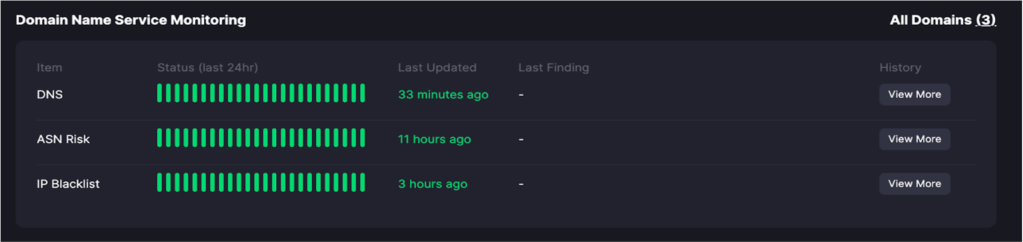
In addition, MAMORI's SmartRadar enhances security by sending instant alerts for any anomalies in DNS records, such as unexpected changes in IP addresses. This feature further streamlines the risk mitigation process, ensuring end-users and project owners can swiftly address potential threats.
Stay Ahead of Cyber Threats
As the crypto landscape evolves, so do the threats that accompany it. DNS hijacking is a clear and present danger, but with the right tools and knowledge, you can safeguard your investments. MAMORI's advanced security solutions provide the protection you need, allowing you to navigate the crypto world with confidence.
Protecting your assets isn't just about responding to threats—it's about staying ahead of them. By integrating MAMORI's solutions into your Web3 journey, you can ensure that your investments are secure, giving you peace of mind in an otherwise volatile environment.